If you’ve ever ordered a set of adjustable dumbbells, you’ve probably never stopped to think about how those hollow, smooth plastic shells that hold the weight plates are made. As a supplier of dumbbell shell electric blow molding machines, I get asked this question at least three times a week: How fast can this actually produce the parts people need? The answer isn’t a one-number stat you can pull off a spec sheet — it depends on a dozen variables: machine design, material type, part size, and the level of automation you’re ready to invest in. But let’s break this down the way we do with every customer who calls us, no hidden fine print and no inflated promises.
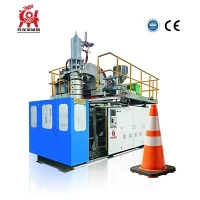
First, it helps to remember that dumbbell shells aren’t one-size-fits-all. A 10-pound entry-level dumbbell shell is smaller, has thinner walls, and is simpler to mold than a 50-pound premium shell that has to hold up to repeated drops and heavy loads. That part size and complexity directly impact cycle time, which is the single biggest factor in how fast you can produce parts. For reference, take a look at our smaller 2+2 Automatic Electric Blow Molding Machine for Small HDPE Products — it’s built for tight, consistent parts, and the engineering that goes into making that machine work at high speeds translates perfectly to smaller dumbbell shells. The core technology there is the same: precise clamping, regulated extrusion, and electric drives that eliminate the lag common in hydraulic systems.
Let’s start with the baseline for standard 10- to 25-pound dumbbell shells, the most common SKU for home gyms and mid-range commercial sets. On a properly tuned electric blow molding machine designed for dumbbell production, the cycle time for one shell will typically land between 12 and 18 seconds. That means in an hour, you’re looking at roughly 200 to 300 individual shells. Wait, though — most dumbbell molding machines are dual-cavity, right? You don’t make one shell per cycle, you make two at once. So double that number, and you’re looking at 400 to 600 shells per hour. For a customer doing high-volume production for a big-box retailer, that number goes up even more if they opt for a machine with four cavities, though that’s more common for larger-scale operations.
But here’s where the variables come in, and this is where I always have to be transparent. Material is a huge one. Most dumbbell shells are made from HDPE (high-density polyethylene) because it’s durable, low-cost, and easy to mold. But if a customer switches to a thicker, more rigid resin for heavy-duty dumbbells (like those over 50 pounds), the cooling time goes up. Cool plastic is rigid plastic, so if you’re making a thicker wall to support more weight, you have to leave the part in the mold longer to prevent warping. Add 5 to 10 seconds to each cycle, and that drops your hourly output by about a third. That’s not a flaw in the machine — that’s physics, and any supplier who promises you the same speed for a 5-pound thin shell and a 75-pound thick shell is stretching the truth.
Automation is the next big piece of the puzzle. A basic machine that requires an operator to load and unload every part will be slower than a fully automated system that takes parts straight from the mold, trims excess flash, and stacks them for packaging. We’ve had customers who started with a semi-automatic machine for small batches, then upgraded to a fully electric model with integrated part handling when they landed a large contract. For example, one client who makes adjustable dumbbells for boutique gyms moved to a fully automated setup a year ago, and that cut their cycle time by 3 seconds per part and eliminated the need for two full-time operators per shift. It’s an upfront cost, but the speed and labor savings add up quickly for high-volume runs.
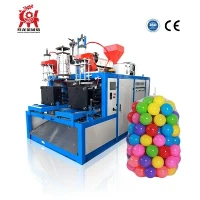
You might be wondering how dumbbell molding compares to other parts we make, just to put that speed in context. Our Gallons Water Bottle Blow Molding Machine is built for larger, single-cavity parts, so its cycle time is longer — around 20 to 25 seconds per part, which makes sense for a 5-gallon jug. Our Float Blow Molding Machine, for smaller, hollow floats, runs at around 10 to 14 seconds per cavity, which is a similar speed to smaller dumbbell shells. The High Speed Ocean Ball Blow Molding Machine, designed for thousands of small, identical balls a day, pushes that even further with precision electric controls that cut cycle time to under 8 seconds per cavity, though that’s for a much simpler, smaller part.
Another thing that affects speed is maintenance and machine tuning. A brand-new machine right out of the box will run at its rated speed for the first few months, but if you skip regular cleaning, calibrate the extrusion system incorrectly, or use low-quality resin, your cycle time will slow down. We train every customer on proper machine setup and routine maintenance, and we also offer on-site tuning for high-volume runs. Last year, a customer who had been struggling with inconsistent speed on their old hydraulic machine upgraded to our electric dumbbell machine, and after a quick tune-up and operator training, their cycle time went from 22 seconds per part to 15 seconds, with zero increase in defect rate. That’s the kind of win that makes the investment worth it, even for smaller production runs.
Defect rate is something we never overlook when talking about speed. It doesn’t matter how fast a machine runs if it’s producing 10% defective parts that have to be scrapped or reworked. Electric blow molding machines are more precise than hydraulic models because they use servo motors for clamping, extrusion, and part movement, so you get consistent wall thickness every time. For dumbbell shells, consistent wall thickness is critical — a shell that’s too thin will crack under load, and a shell that’s too thick wastes material and slows down production. Our machines typically have a defect rate of less than 1% when operated correctly, which means all that cycle time you’re counting on translates to usable, sellable parts, not scrap.


Now, let’s talk about heavy-duty dumbbells, the ones used in CrossFit boxes, commercial gyms, and for strength training equipment that’s subjected to intense use. These shells are larger, have thicker walls, and often require additional design features like threaded inserts for the weight plates to attach. For these parts, cycle time is naturally longer — between 20 and 25 seconds per cavity, so output drops to around 180 to 270 shells per hour. But even at that speed, a fully automated machine can produce enough heavy-duty shells to meet demand for a mid-sized gym equipment brand. We’ve also made custom adjustments to our extrusion systems for these thicker parts to keep cycle time as low as possible without sacrificing quality, which is why many of the top gym equipment manufacturers use our machines for their heavy dumbbell lines.
It’s also worth noting that not all blow molding machines are created equal. A lot of cheap, imported machines marketed for blow molding aren’t designed for the specific demands of dumbbell shells. They might use hydraulic systems that leak, have slow cycle times, and high defect rates, which means the actual usable speed is lower than what a reputable machine will deliver. When a customer comes to us after being disappointed with a cheaper machine, we always do a full audit of their current production: cycle times, defect rates, labor costs, and total output. More often than not, upgrading to an electric dumbbell shell machine pays for itself within a year, even if the rated speed is slightly lower than they expected — because the usable output and lower labor costs add up faster.
If you’re just starting out in the dumbbell production business, you might not need a high-speed machine right away. A smaller, entry-level electric machine that produces around 100 to 150 dual-cavity shells per hour is perfect for small batches, custom dumbbell sets, or testing the market. As your orders grow, you can upgrade to a higher-cavity machine or add automation to keep up with demand. We’ve worked with dozens of startup gym equipment brands that started with one machine and expanded to three or four within two years, and that growth is exactly why we design our machines to be scalable.
Now, let’s address a common question: Can I really get that speed without compromising on part quality? The short answer is yes, when you choose the right machine and set it up correctly. The electric servo drives in our dumbbell shell machines allow for faster, more precise movement than hydraulic systems, which means you can fill the mold quickly without trapping air or creating uneven walls. We test every machine before it leaves our facility, running it for 24 hours straight at maximum speed with standard HDPE resin, to make sure it delivers consistent output and low defect rates. That’s why we stand behind every machine we sell, and why so many long-time customers come back for additional units as their business grows.
For those looking to produce parts beyond dumbbell shells, our range of machines is versatile enough to handle a variety of plastic products. The Chemical Packaging Pesticide Bottle Blow Molding Machine, for example, is built for rigid, leak-proof bottles that have strict quality standards, and it runs at a similar cycle speed to our standard dumbbell machines. That versatility is a big plus for customers who want to diversify their production lines without investing in entirely new equipment.
At the end of the day, the question “How fast can a dumbbell shell electric blow molding machine produce parts?” doesn’t have a single answer — but that’s okay. The right answer for your business depends on your specific needs: what size dumbbells you’re making, what volume you need to produce, your budget, and whether you want to automate your process. As a supplier, our job isn’t just to sell you a machine that meets a rated speed; it’s to help you find a solution that fits your production goals, keeps your costs low, and delivers high-quality parts your customers will trust.
If you’re ready to learn more about what’s possible for your dumbbell shell production, we’d love to discuss your needs in detail. Whether you’re a startup looking for your first machine or an established brand looking to upgrade your current setup, our team can walk you through cycle times, automation options, and custom modifications to make sure you get the most out of your investment.
References
- Society of Plastics Engineers. (2021). Blow Molding Process Guidelines for Hollow Plastic Parts. SPE Press.
- Global Market Insights. (2023). Blow Molding Machine Market Report 2023–2030: Equipment, Application, Region.
- American Society for Testing and Materials. (2022). Standard Specification for High-Density Polyethylene (HDPE) Blow Moldings. ASTM International.